In an interview with Eltas, conducted by INO, the synergy of expertise, technology and trust for the future
of the printed electronics industry became apparent.
INO is a developer and manufacturer of advanced screen-printing machines. While Eltas is a producer of membrane keypads. The combining of these two companies has been a model for successful collaboration for over two decades.
INO is a developer and manufacturer of advanced screen-printing machines. While Eltas is a producer of membrane keypads. The combining of these two companies has been a model for successful collaboration for over two decades.
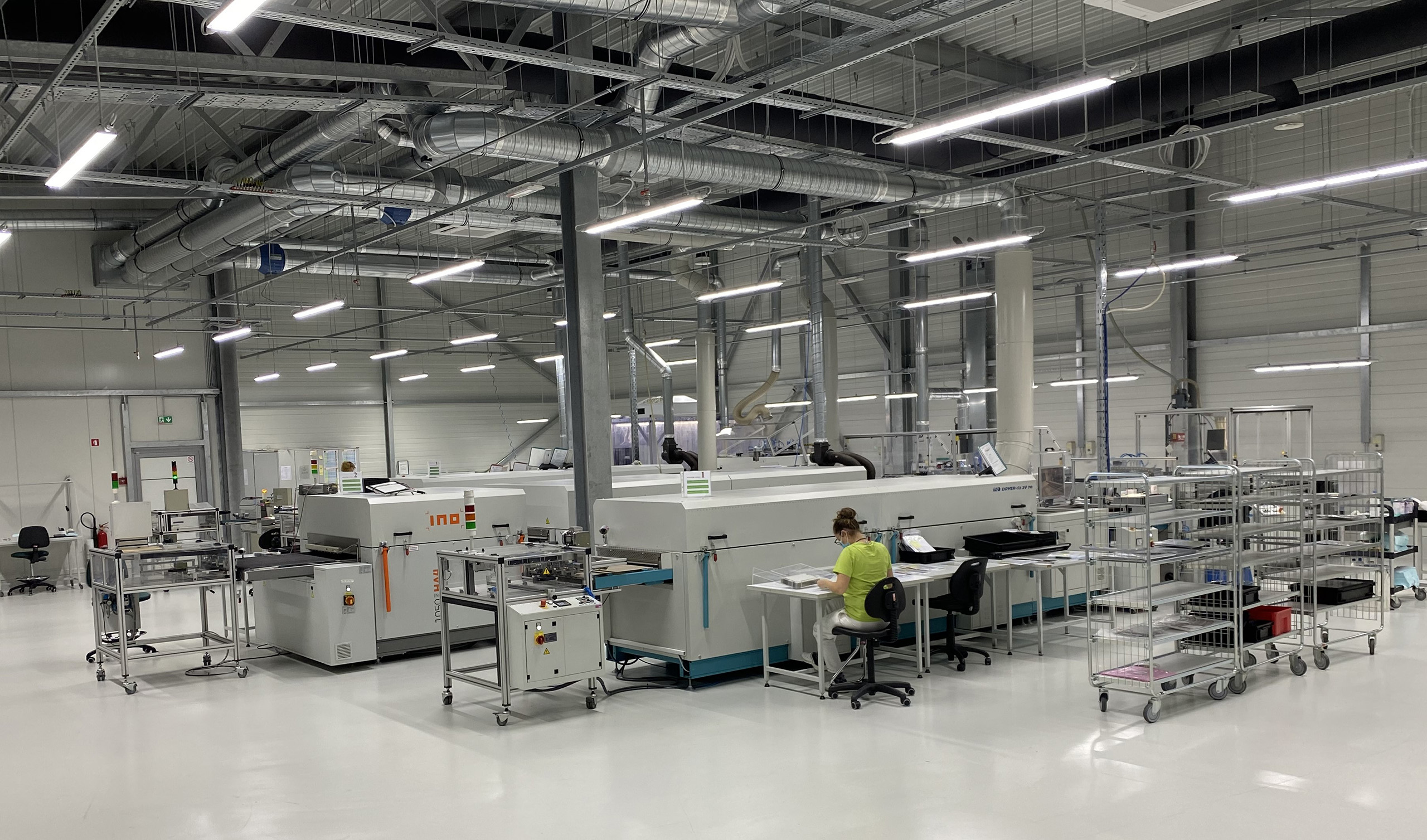
Eltas production – Initially focused on developing a printing machine for screen-printed electronic
components, the collaboration gradually expanded to other production processes and automation phases
A WINNING COMBINATION
Built on expertise, trust and a shared vision, this partnership has relied on precision, reliability and
technological innovation. These have been the cornerstones of competitiveness in the printed-electronics
industry from the very beginning.
Leaders of both companies acknowledge that their more than 20-year collaboration has driven stable growth, continuous technological development and enhanced competitiveness. Furthermore, it has significantly contributed to the advancement of the printed-electronics industry from its early stages.
Leaders of both companies acknowledge that their more than 20-year collaboration has driven stable growth, continuous technological development and enhanced competitiveness. Furthermore, it has significantly contributed to the advancement of the printed-electronics industry from its early stages.
ELTAS – CUSTOMISED PRECISION
INO designs and manufactures advanced screen-printing machines and pre- and post-printing
automation equipment. With a young, dynamic team – supported by scientists and industry experts – INO delivers both standard and customised solutions. The company’s in-house development of entire
production lines ensures full compatibility, reliability and maximum equipment lifespan. For over 30 years,
INO has been setting new standards in screen-printing equipment innovation and process optimisation.
INO – ADVANCED SCREEN-PRINTING EQUIPMENT
INO designs and manufactures advanced screen-printing machines and pre- and post-printing
automation equipment. With a young, dynamic team – supported by scientists and industry experts – INO delivers both standard and customised solutions. The company’s in-house development of entire production lines ensures full compatibility, reliability and maximum equipment lifespan. For over 30 years, INO has been setting new standards in screen-printing equipment innovation and process optimisation.
THE BEGINNINGS
The partnership began before the year 2000 when the founders of INO and Eltas met at a regional trade
fair. At the time, no suitable machines for Eltas’ production processes were available on the market. In
recognising customers needs, INO designed and built a screen-printing machine that not only met, but
exceeded Eltas’ expectations.
Darja Kos, retired Technical Director of Eltas, recalls, ”At that time, we shared a vision to build a piece of equipment where the operator would no longer be a manual labourer but only a controller. We also wanted a single supplier for the entire printing process including drying solution.” She continues, “We had clearly defined our end product and the printing requirements. INO’s innovative approach turned our vision into reality.’’
Darja Kos, retired Technical Director of Eltas, recalls, ”At that time, we shared a vision to build a piece of equipment where the operator would no longer be a manual labourer but only a controller. We also wanted a single supplier for the entire printing process including drying solution.” She continues, “We had clearly defined our end product and the printing requirements. INO’s innovative approach turned our vision into reality.’’
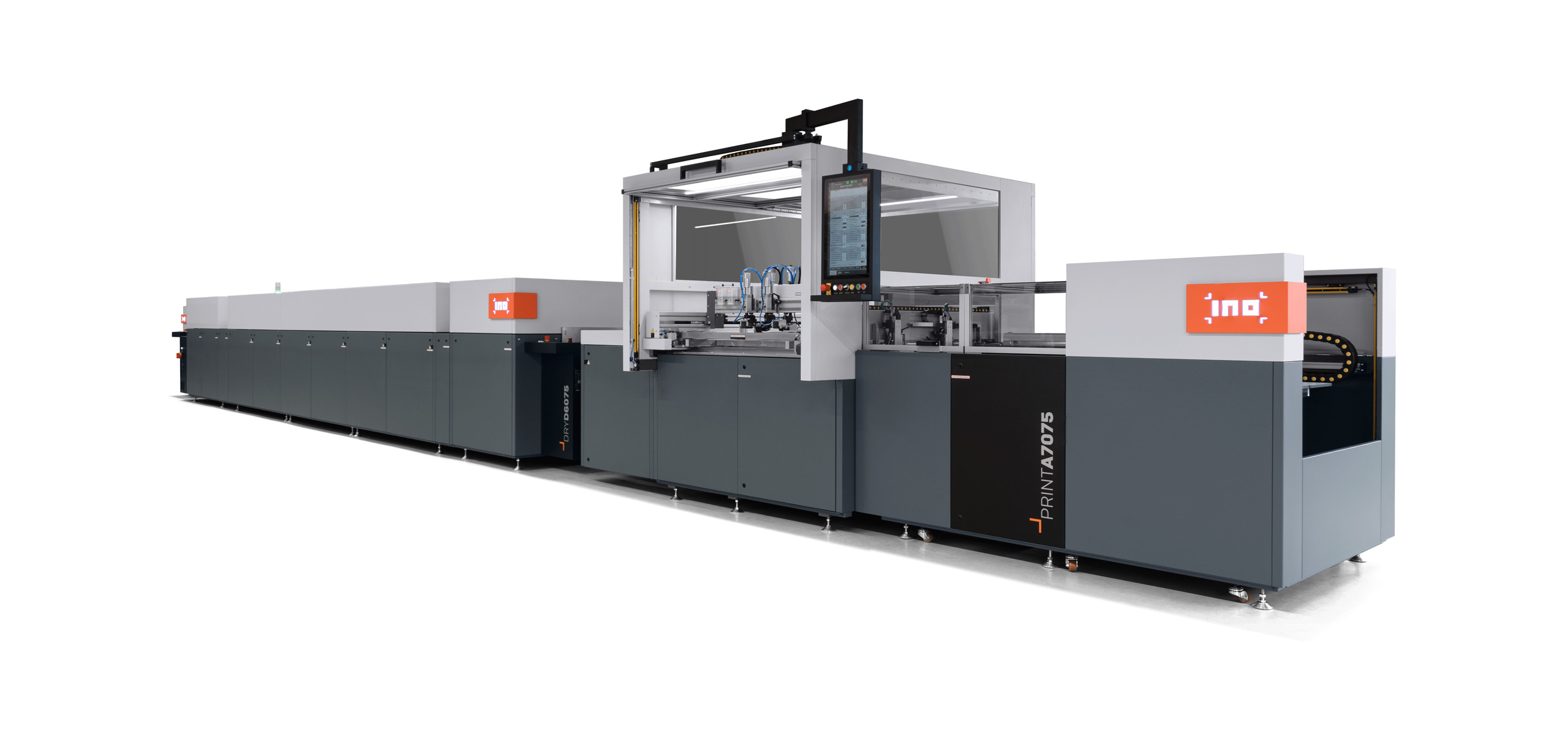
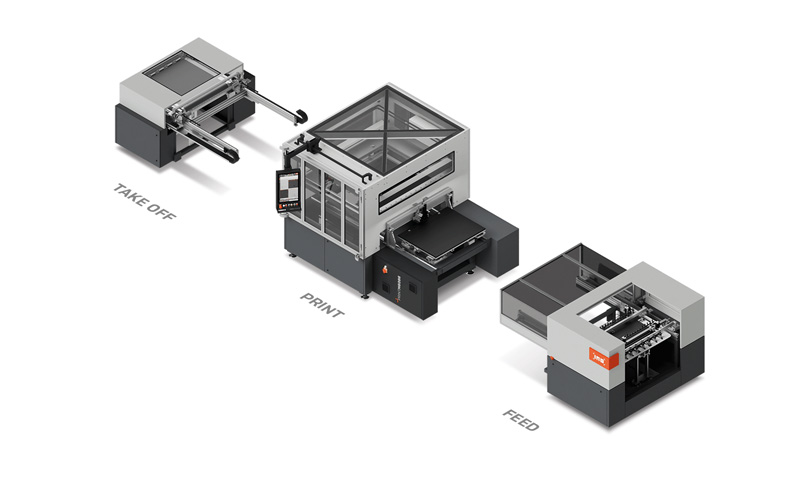
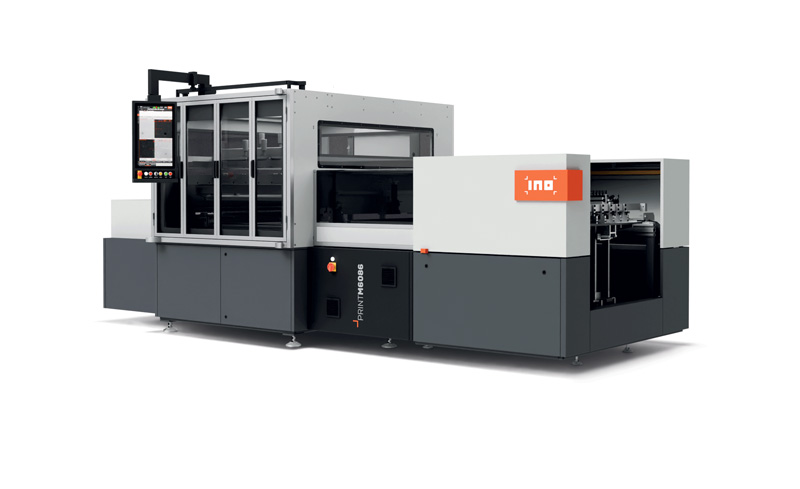
INO PE Line A7 – This year, Eltas plans to invest in a new INO A7 – its fifth INO printing line
''INO’s innovative approach turned our vision into reality''
TAILORED SOLUTIONS
Initially, the goal was simply to develop a screen-printing machine tailored to the specific demands of
manufacturing electronic components. Over time, the collaboration expanded to other production
processes and automation of individual phases. Both companies recognised opportunities for growth,
with INO contributing engineering and technical expertise, while Eltas provided market insights and a
clear vision of their needs.
In addition, Kos comments, ”Switching to INO solutions allowed us to achieve more than improved production. The new machines enabled the development and realisation of more complex products and projects, as well as more precise and straightforward operations. Every new investment contributed to increased productivity, reduced waste and lower costs per unit.”
Kos highlights some examples, “A key milestone was the automated screen-printing line, which significantly simplified set-up and reduced screen preparation time. Previously, this could take up to an hour for demanding prints. Now, it only takes a few minutes. Automatic stackers at the end of drying tunnels directly reduced production costs by eliminating the need for additional staff to handle sensitive materials.”
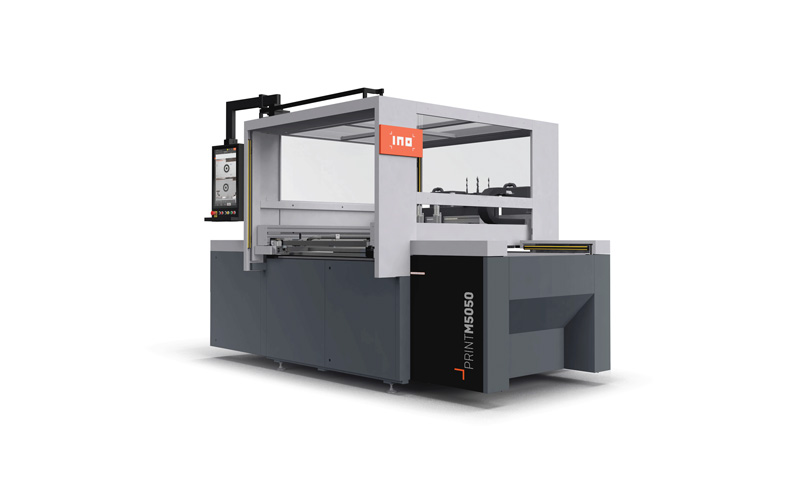
Over time, INO developed a comprehensive range of solutions for Eltas. Each new generation of printing machines brought improvements driven by industry advancements and lessons learned during production. Printing machines were complemented by drying systems (UV + IR + hot air), automated unloaders, screen cleaning and exposure equipment, frame-stretching tools, storage solutions for large- format roll materials, laminating devices for optical adhesives, as well as presses for reshaping foils.
Kos adds, ”We greatly value the fact that all solutions are tailored to our needs. The machines are flexible enough to allow printing on various materials – all types of foils, aluminium frames, plastic and plastic housings.”
In addition, Kos comments, ”Switching to INO solutions allowed us to achieve more than improved production. The new machines enabled the development and realisation of more complex products and projects, as well as more precise and straightforward operations. Every new investment contributed to increased productivity, reduced waste and lower costs per unit.”
Kos highlights some examples, “A key milestone was the automated screen-printing line, which significantly simplified set-up and reduced screen preparation time. Previously, this could take up to an hour for demanding prints. Now, it only takes a few minutes. Automatic stackers at the end of drying tunnels directly reduced production costs by eliminating the need for additional staff to handle sensitive materials.”
Over time, INO developed a comprehensive range of solutions for Eltas. Each new generation of printing machines brought improvements driven by industry advancements and lessons learned during production. Printing machines were complemented by drying systems (UV + IR + hot air), automated unloaders, screen cleaning and exposure equipment, frame-stretching tools, storage solutions for large- format roll materials, laminating devices for optical adhesives, as well as presses for reshaping foils.
Kos adds, ”We greatly value the fact that all solutions are tailored to our needs. The machines are flexible enough to allow printing on various materials – all types of foils, aluminium frames, plastic and plastic housings.”
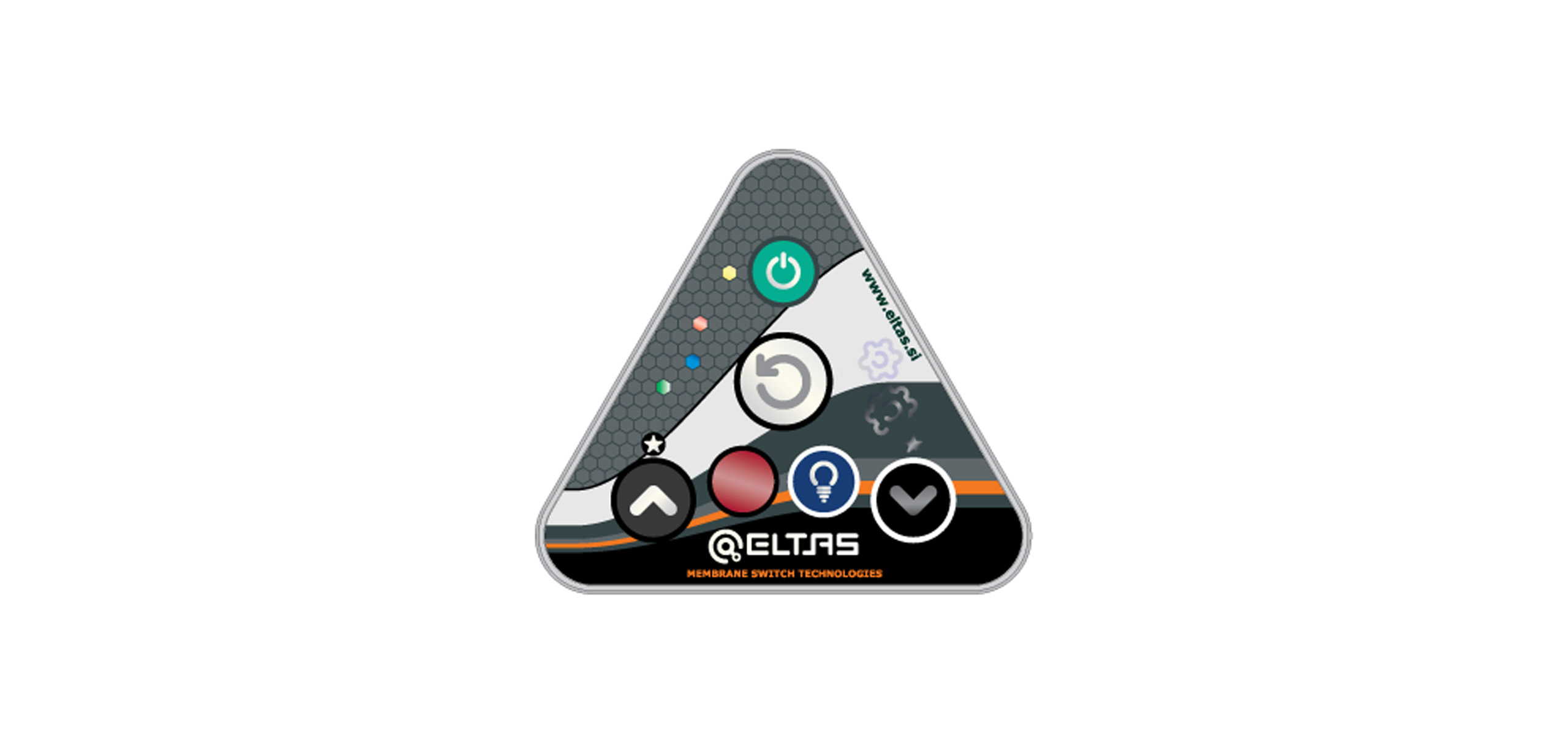
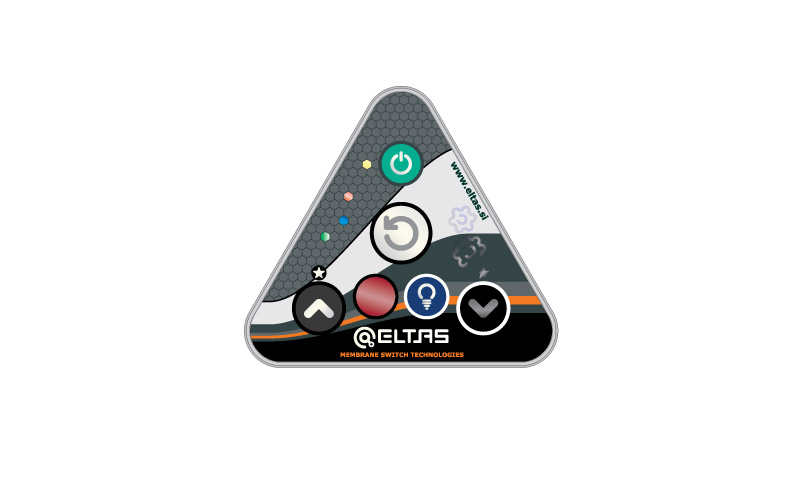
Eltas specialises in developing and producing membrane keypads, front panels and user interfaces
SHARED SOLUTIONS
According to Kos, great technical support has been another cornerstone of the partnership. Whenever
Eltas faced challenges, INO responded swiftly, ensuring minimal downtime and uninterrupted production.
Kos states, ”Over time, we’ve developed a very positive, even friendly relationship with the INO team.” She continues, “We appreciate that our collaboration is based on trust and a shared pursuit of solutions. INO not only supplies equipment, but also advises on process optimisation and actively adapts machines to new market demands.” She adds, “This flexibility and dedication have been invaluable.”
Kos states, ”Over time, we’ve developed a very positive, even friendly relationship with the INO team.” She continues, “We appreciate that our collaboration is based on trust and a shared pursuit of solutions. INO not only supplies equipment, but also advises on process optimisation and actively adapts machines to new market demands.” She adds, “This flexibility and dedication have been invaluable.”
LOOKING AHEAD
As the printed-electronics industry evolves, so do the challenges. Eltas highlights current technological
challenges, such as product miniaturisation and adapting printed electronics for everyday consumer
goods. Eltas also faces difficulties in sourcing materials for smaller series. Nevertheless, reliable
technology enables the company to stay ahead of the competition. This year, Eltas plans to invest in a
new INO A7 line, which promises even greater precision, faster set-up times and consistent print
repeatability.
Kos concludes, ”We see the future of our production in further automation and quality control. For any new ideas, INO will always be our first call.”
Kos concludes, ”We see the future of our production in further automation and quality control. For any new ideas, INO will always be our first call.”
Whenever Eltas faced challenges, INO responded swiftly
CONCLUSION
The INO and Eltas partnership demonstrates how long-term collaboration can transform production, drive
mutual growth and advance an entire industry. Their success highlights the importance of trust,
innovation and adaptability in building lasting relationships. For industry leaders seeking reliable partners
to enhance their processes, this partnership stands as a fine example of what is possible when
engineering expertise and end-product vision come together.